
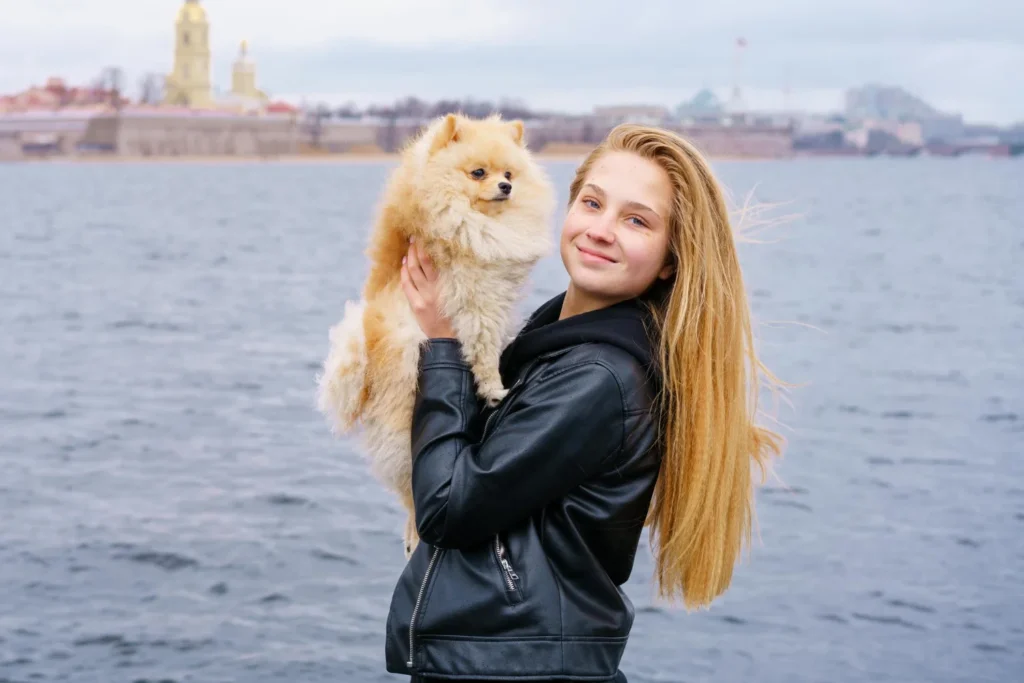
Families tend to compare puppies’ looks first, and one of the major issues that arises is appearance. Coat characteristics such as texture, fullness, and color pattern play a significant role in the perception, availability, and long-term care expectations. These factors come together to influence the price of Pomeranian male puppies, not as a trend-driven number but as an indicator of genetics, care, and breeding results.
Understanding the Role of Coat Structure
The fur coat of the male Pomeranian puppies does not develop the same way in all dogs. Although the breed is always noted for its profuse double coat, the density and texture of the coat might differ from one puppy to another. The coat structure is predetermined by genetics at the outset and is generally clarified as the puppy develops.
The breeders will generally be looking at:
- Thickness of the undercoat
- Length and the pliability of the guard hairs
- A particular evaluation of the coat for evenness of growth over the whole body
An even coat always indicates a good mix of genes and proper early care, thereby affecting the puppy’s value or appraisal.
How Color Genetics Affects Rarity and Demand
Color plays a subtle but meaningful role in pricing. Colors vary in frequency according to dominant genes, and some colors appear only under specific breeding conditions, thereby influencing the availability of certain puppies.
The feature-rich colors may be less common overall due to specific genetic combinations. This may, in turn, affect the availability of the breed. However, the breeders remain true to what is essential: color in balance, depending on what is most fashionable, as coat quality and health must both be addressed.
Why Coat and Color Are Evaluated Together
Coat type and color are never judged independently. A rare color paired with a weak coat structure does not hold the same value as a well-developed coat in a classic shade. Breeders also look at the big picture to properly assess the puppies.
The combination of possibilities is considered to ensure that winning males are chosen in response to balanced traits rather than merely surface characteristics. Strong coat development betrayed heredity, both in genetic terms and as well as early nurturing.
Grooming Needs and Long-Term Care Considerations
Fur characteristics also influence future maintenance. Some fur types may mat more easily, while others are easier to maintain at an average frequency. These considerations can affect long-term planning for a dog’s care.
The basic considerations are:
- The grooming frequency that is required
- Seasonal shedding patterns
- The sensitivity of the relaxation of the skin underneath the fur
These rudimentary considerations form the basis of an individual’s value system.
Breeding Standards That Guide Evaluation
Ethical breeding programs emphasize structure, health, and temperament above looks. If judged at all, coat and color are assessed based on whether they conform to these standards, not as a basis for pricing. Puppies raised with consistent handling and nutrition will tend to develop a good coat over time.
This kind of breeding is better for their overall well-being rather than what may be appealing now.
Seeing the Full Picture Beyond Appearance
Genetics and care can be inferred from the coat type and color, but they are not the only aspects. Families selecting a Pomeranian dog puppy gain the most when they consider the appearance, health, temperament, and the breeder’s advice.
Burnette’s Exclusive Pomeranians assists families by providing education, responsible breeding practices, and knowledge of each puppy’s growth. Most importantly, if you are considering getting a Pomeranian, meeting one of these breeders and understanding how the colors came to be might help you think more critically about how things really are.